

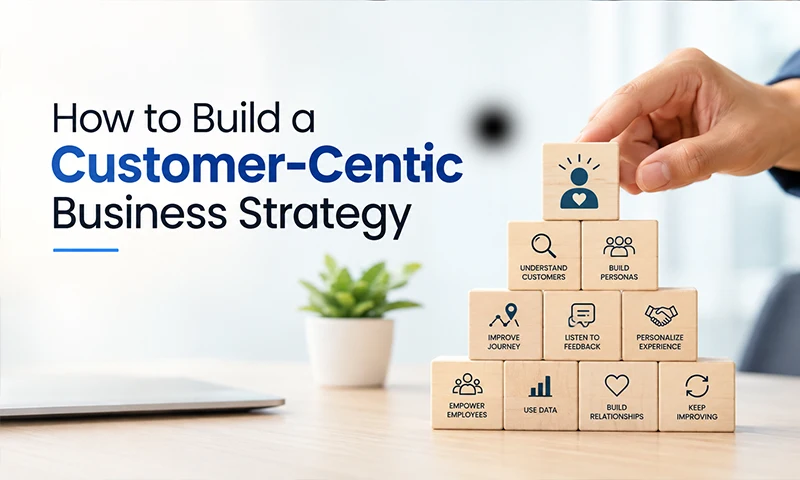
Customer-Centric Business Strategy
A customer-centric business strategy begins with one simple idea: understand your customers before trying to sell to them. Businesses often focus heavily on products, pricing, and competitors while overlooking what customers actually need. Spend time learning about your target audience, including their challenges, preferences, expectations, buying habits, and reasons for choosing one brand over another. Customer surveys, interviews, reviews, social media conversations, and sales feedback can provide useful insights. The goal is to understand the people behind the numbers and create a strategy based on real customer needs.
Create Clear Customer Personas
Once you collect customer information, turn those insights into practical customer personas. A persona represents a typical customer and can include factors such as age group, profession, goals, challenges, interests, budget, and purchasing behavior. You do not need dozens of personas. A few well-researched profiles can help your team understand who you are serving. Clear personas make it easier to create relevant products, marketing campaigns, content, and customer experiences instead of using the same message for everyone.
Map the Customer Journey
Customers interact with a business at many different stages. They may discover a brand through Google, social media, recommendations, advertisements, or an existing customer. They then research products, compare alternatives, make a purchase, and decide whether to return. Mapping this customer journey helps identify where people experience confusion, frustration, or unnecessary delays. Businesses can then improve each stage, from the first interaction to post-purchase support. A smooth customer journey can make the overall experience feel easier and more trustworthy.
Make Customer Feedback Part of the Strategy
Customer feedback should not be treated as something collected only when a business has a problem. It should become a regular part of decision-making. Ask customers what they like, what they find difficult, and what they would improve. Reviews and support conversations can also reveal recurring issues. Importantly, businesses should act on useful feedback instead of simply collecting it. When customers see that their suggestions lead to meaningful improvements, they are more likely to feel heard and valued.
Personalize the Customer Experience
Personalization has become an important part of modern business. Customers generally respond better when communication feels relevant to their interests and needs. Personalization can be as simple as recommending products based on previous purchases, sending useful information based on customer interests, or remembering preferences during future interactions. However, personalization should feel helpful rather than intrusive. Businesses should use customer information responsibly and focus on creating genuine value.
Train Employees to Put Customers First
A customer-centric strategy cannot succeed if it exists only in the marketing department. Employees across the organization influence the customer experience. Sales teams, customer support representatives, designers, delivery staff, and managers all contribute to how customers perceive a brand. Give employees the training, information, and authority they need to solve customer problems effectively. When employees understand the company’s customer-focused goals, those values are more likely to appear in everyday interactions.
Use Data to Improve Decisions
Customer-centricity does not mean making decisions based entirely on opinions. Business data can help identify patterns and measure what is actually happening. Track metrics such as customer satisfaction, repeat purchases, retention, complaints, response times, conversion rates, and customer lifetime value. Combining these numbers with direct customer feedback creates a more complete picture. Data can show where improvements are needed, while customer conversations can help explain why those improvements matter.
Build Long-Term Relationships
A customer-centric business looks beyond a single transaction. The objective is to create an experience that encourages customers to return and recommend the brand to others. Reliable products, honest communication, responsive support, loyalty programs, useful content, and consistent service can all contribute to stronger relationships. Customers do not always expect perfection, but they generally appreciate businesses that take responsibility when something goes wrong and make a genuine effort to resolve it.
Keep Improving the Strategy
Customer expectations change as technology, markets, lifestyles, and competitors evolve. A strategy that works today may need adjustments tomorrow. Review customer feedback, business performance, and market trends regularly. Test new ideas on a manageable scale, measure the results, and improve what works. Customer-centricity is not a one-time project; it is an ongoing approach to running a business.
Conclusion: Put Customers at the Center of Growth
Building a customer-centric business strategy requires more than offering good products. It means understanding customers, listening to their feedback, improving their journey, supporting employees, using data responsibly, and building relationships beyond individual purchases. Businesses that consistently pay attention to customer needs can make more informed decisions and create experiences that encourage trust and loyalty. In a competitive market, putting customers at the center can become an important foundation for sustainable business growth.
