

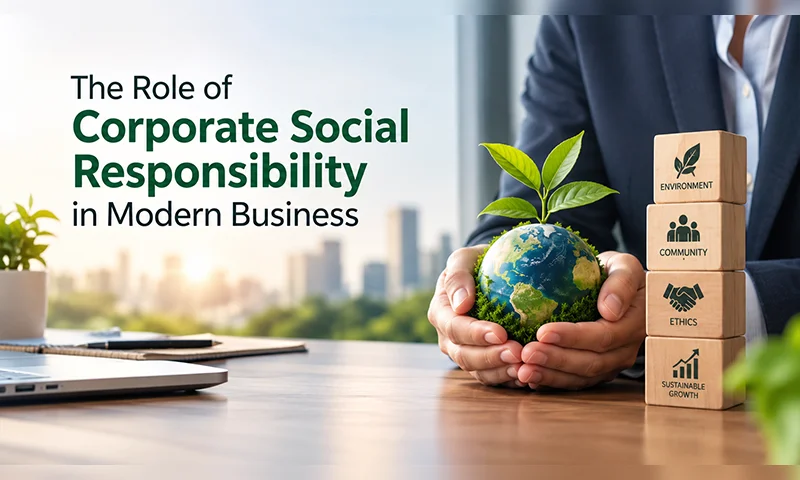
Corporate Social Responsibility
In today’s business world, success is no longer measured only by profits, sales, or market share. Customers, employees, and investors increasingly expect companies to act responsibly and contribute positively to society. Corporate Social Responsibility (CSR) has become an important part of modern business because it encourages organizations to consider their impact on people, communities, and the environment. Businesses that take social responsibility seriously can build stronger relationships with customers, improve their reputation, and create long-term value beyond financial growth.
Understanding Corporate Social Responsibility
Corporate Social Responsibility refers to the efforts businesses make to operate ethically while contributing to social and environmental well-being. It involves making responsible decisions about employees, customers, suppliers, local communities, and natural resources. CSR activities can include reducing pollution, supporting education, improving workplace conditions, promoting diversity, and helping communities in need. Rather than focusing entirely on short-term profits, socially responsible companies consider how their decisions affect others. This approach helps businesses balance commercial objectives with their responsibility toward society.
Building a Strong Brand Reputation
A positive reputation is one of the most valuable assets a business can develop. Customers are more likely to trust companies that demonstrate honesty, fairness, and genuine concern for social issues. For example, a company that uses environmentally friendly packaging or supports local education programs can create a positive impression among consumers. However, CSR must be supported by real action rather than attractive advertising campaigns. When companies consistently follow their stated values, they can strengthen brand loyalty and distinguish themselves from competitors in crowded markets.
Improving Employee Satisfaction and Engagement
Employees play a major role in the success of any organization, and CSR can help create a workplace where people feel valued and motivated. Workers often appreciate employers who treat their teams fairly, support professional development, and provide safe working conditions. Companies can also encourage employees to participate in volunteering programs, community projects, and environmental initiatives. These activities can build teamwork and give employees a stronger sense of purpose. When people feel proud of their organization’s values, they may become more engaged, productive, and committed to its long-term goals.
Protecting the Environment Through Responsible Practices
Environmental responsibility has become an essential part of modern business strategy. Companies across industries use energy, water, packaging, and other natural resources, making their environmental decisions particularly important. Businesses can reduce their impact by adopting renewable energy, minimizing waste, improving recycling systems, and choosing sustainable materials. Even small changes, such as reducing unnecessary printing or improving energy efficiency, can make a difference over time. Environmentally responsible practices may also reduce operating costs and help companies prepare for changing regulations and customer expectations.
Supporting Local Communities and Social Development
Businesses operate within communities that provide workers, customers, infrastructure, and opportunities for growth. CSR allows companies to give something meaningful back to these communities. Organizations may support schools, provide vocational training, fund healthcare initiatives, or help small local businesses develop. In India, eligible companies are also subject to specific CSR requirements under Section 135 of the Companies Act, 2013. Well-planned community initiatives can address local needs while creating stronger relationships between businesses and the people around them. The most effective programs focus on lasting improvements rather than one-time contributions.
Strengthening Customer Trust and Loyalty
Modern consumers have more information and choices than ever before. Many consider a company’s values, sourcing practices, and treatment of workers when deciding which brands to support. Businesses that demonstrate transparency and responsible behavior can earn customer confidence over time. On the other hand, misleading environmental claims or unethical practices can damage public trust. Companies should therefore communicate their CSR activities honestly and provide evidence of their progress. Genuine responsibility helps businesses develop meaningful customer relationships that extend beyond individual purchases.
Managing Business Risks and Encouraging Innovation
CSR can also help organizations identify potential risks before they become serious problems. Unfair labor practices, environmental damage, and irresponsible supply chains can lead to legal challenges, financial losses, and reputational harm. By establishing clear ethical standards and monitoring their operations, companies can reduce these risks. CSR can also encourage innovation by motivating businesses to develop sustainable products, improve resource efficiency, and explore new solutions to social challenges. These improvements may open new market opportunities while helping companies become more adaptable in a changing economy.
Conclusion: Creating Long-Term Business Value
Corporate Social Responsibility has become an important element of responsible and sustainable business management. It helps organizations build trust, support employees, protect the environment, strengthen communities, and manage risks. However, successful CSR requires consistent effort, transparent communication, and a genuine commitment to ethical practices. Businesses should treat social responsibility as part of their everyday decision-making rather than simply a promotional activity. Ultimately, companies that consider both financial performance and their wider social impact are better positioned to build lasting relationships, earn public confidence, and contribute to a more sustainable future.
