

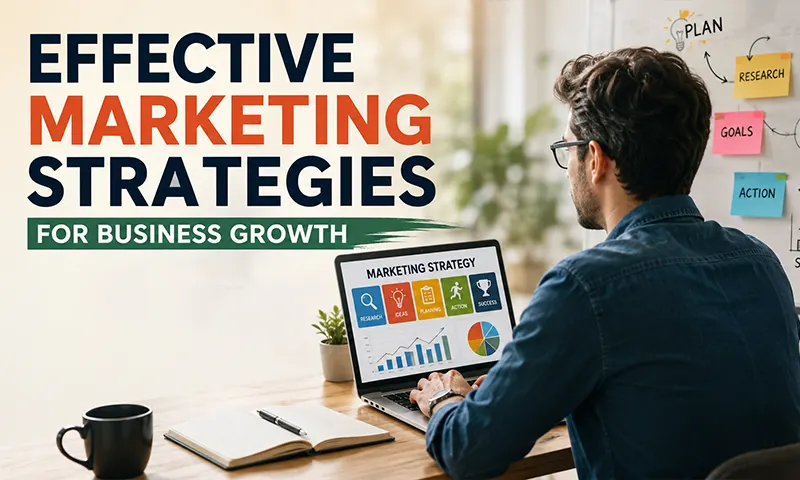
Understanding the Importance of Effective Marketing Strategies
Effective marketing strategies play a vital role in helping businesses attract customers, build credibility, and generate sustainable growth. Whether a company is a small startup or an established organization, marketing provides a bridge between its products or services and the people who need them. A strong strategy helps businesses communicate their value clearly instead of simply promoting products. By understanding customer expectations, market trends, and competitive positioning, companies can create marketing campaigns that deliver meaningful results.
Define Your Target Audience Clearly
One of the first steps toward successful marketing is identifying the target audience. Businesses should understand who their ideal customers are, what problems they face, what influences their purchasing decisions, and where they spend their time online. Creating customer profiles can make this process easier. When marketing messages are designed around specific customer needs rather than a broad audience, they tend to feel more relevant and personal. A clear understanding of the audience also helps businesses use their marketing budget more efficiently.
Build a Strong and Recognizable Brand
A recognizable brand identity can make a business easier to remember in a crowded marketplace. Branding is not limited to a logo or color palette; it also includes the company’s voice, values, customer experience, and overall reputation. Businesses should maintain consistency across their website, social media profiles, advertisements, packaging, and other communication channels. A consistent brand creates familiarity and can gradually build trust among potential customers. When customers know what a business represents, they are more likely to develop a stronger connection with it.
Create Valuable Content for Customers
Content marketing is another powerful strategy for business growth because it focuses on providing useful information instead of constantly pushing sales messages. Businesses can publish blog articles, guides, videos, case studies, infographics, newsletters, and educational posts based on customer interests. Valuable content can answer questions, solve problems, and demonstrate industry expertise. Over time, quality content can attract organic visitors, encourage social sharing, and help a company establish authority within its industry.
Strengthen Your Search Engine Presence
A well-planned SEO strategy can help businesses become more visible when potential customers search for relevant products, services, or information. Search engine optimization involves creating useful content, targeting relevant keywords, improving website structure, optimizing page titles and descriptions, and ensuring a positive user experience. Businesses should focus on search intent rather than simply inserting keywords into content. When a website consistently provides helpful answers to users’ questions, it has a better opportunity to attract qualified organic traffic.
Use Social Media Strategically
Social media marketing gives businesses an opportunity to communicate directly with their audience and build an active community. Instead of publishing identical promotional posts on every platform, companies should select channels that match their audience and business objectives. Short videos, educational posts, customer stories, behind-the-scenes content, polls, and interactive discussions can encourage engagement. Social media becomes more effective when businesses treat it as a communication channel rather than just an advertising platform.
Invest in Email Marketing
Email marketing remains a practical way to maintain relationships with existing customers and potential buyers. Businesses can use email campaigns to share useful content, product updates, special offers, company news, and personalized recommendations. A successful email strategy should focus on relevance and consistency rather than sending excessive promotional messages. Segmenting subscribers according to their interests or purchasing behavior can make communication more targeted and useful, which can improve engagement and customer retention.
Focus on Customer Experience
Marketing does not end when a customer makes a purchase. A positive customer experience can influence repeat purchases, referrals, reviews, and long-term loyalty. Businesses should make every stage of the customer journey simple, from discovering the company to making an inquiry, completing a purchase, and receiving after-sales support. Quick responses, transparent communication, convenient processes, and reliable service can turn satisfied customers into enthusiastic brand advocates.
Use Data to Improve Marketing Decisions
Successful businesses increasingly rely on marketing analytics to understand what is working and what needs improvement. Website traffic, conversion rates, customer acquisition costs, email engagement, social media performance, and sales data can provide valuable insights. Instead of relying entirely on assumptions, marketers can use these numbers to identify successful campaigns and improve weaker ones. Regularly reviewing performance also helps companies allocate resources toward activities that generate meaningful business outcomes.
Experiment With Paid Advertising
Paid digital advertising can help businesses reach specific audiences more quickly than organic methods alone. Search advertising, social media advertising, display campaigns, and video advertisements can be targeted according to factors such as interests, demographics, search behavior, or previous interactions. However, effective advertising requires more than simply spending money. Businesses should test different headlines, visuals, offers, landing pages, and audience segments to discover which combinations produce better results.
Encourage Customer Reviews and Referrals
Positive customer reviews and referrals can significantly influence purchasing decisions. Many consumers want to know what other people experienced before choosing a product or service. Businesses can encourage genuine feedback by making the review process simple and by providing excellent customer service. Referral programs can also motivate existing customers to introduce the company to friends, colleagues, or family members. Trust created through real customer experiences can become a valuable marketing asset.
Build Strategic Partnerships
Collaborating with complementary businesses can open doors to new audiences. Strategic partnerships may include joint campaigns, co-branded content, webinars, events, affiliate programs, or referral arrangements. For example, two businesses serving related customer groups can promote each other’s services without directly competing. Such partnerships can reduce customer acquisition costs while creating additional opportunities for visibility and credibility.
Personalize the Marketing Experience
Customers increasingly expect businesses to understand their individual interests. Personalized marketing can involve recommending relevant products, sending targeted emails, displaying suitable content, or creating offers based on customer behavior. Personalization should provide genuine value rather than making customers feel monitored. When businesses use customer information responsibly to make communication more relevant, they can create stronger relationships and improve engagement.
Retain Existing Customers
Attracting new customers is important, but customer retention should receive equal attention. Existing customers already understand the brand and may require less effort to convert again. Loyalty programs, personalized communication, excellent support, exclusive offers, and regular engagement can encourage customers to return. A strong retention strategy can create recurring revenue while increasing the lifetime value of each customer.
Conclusion
Effective marketing strategies for business growth combine customer understanding, strong branding, valuable content, digital visibility, social engagement, personalized communication, and continuous performance analysis. Businesses do not need to use every marketing channel at once. Instead, they should identify the strategies that best match their audience, industry, resources, and objectives. By consistently delivering value, listening to customers, measuring results, and adapting to changing market expectations, businesses can build stronger relationships and create a foundation for sustainable long-term growth.
