

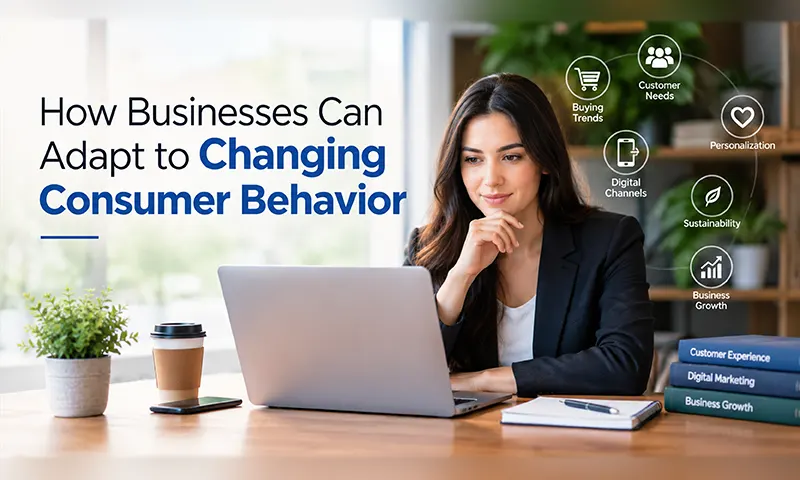
Changing Consumer Behavior
1. Introduction: Understanding Changing Consumer Behavior
Consumer behavior is constantly evolving as technology, lifestyles, economic conditions, and personal preferences change. Today’s customers expect more than just quality products; they also look for convenience, personalized experiences, fair prices, and trustworthy brands. Businesses that understand these expectations can build stronger relationships with customers and remain competitive. Adapting to changing consumer behavior is no longer optional for companies that want to achieve long-term growth. It requires listening to customers, recognizing new trends, and making practical changes to products, services, and marketing strategies.
2. Analyze Customer Needs and Preferences
The first step toward adapting to consumer behavior is understanding what customers actually want. Businesses should regularly collect feedback through surveys, online reviews, customer conversations, and social media comments. These insights help companies identify changing preferences and areas where their products or services can improve. For example, if customers increasingly prefer affordable and convenient solutions, a business can introduce budget-friendly options or simplify its purchasing process. Understanding customer needs allows businesses to make informed decisions instead of relying on assumptions.
3. Use Data to Make Better Business Decisions
Customer data can help businesses recognize patterns and anticipate future demands. Information such as purchasing history, website activity, product preferences, and customer feedback can reveal which products perform well and which services need improvement. Businesses can use these insights to create more relevant offers and improve the customer experience. However, companies must handle personal information responsibly and respect customer privacy. By combining data-driven decision-making with a clear understanding of customer expectations, businesses can develop strategies that respond effectively to market changes.
4. Embrace Digital Transformation
Technology has significantly changed how consumers discover, compare, and purchase products. Many customers now research brands online before making a buying decision. Businesses should maintain an accessible website, offer convenient digital payment options, and ensure their online platforms work smoothly on mobile devices. Social media, e-commerce platforms, and customer support tools can also help companies connect with their audiences. Digital transformation enables businesses to reach more customers, improve efficiency, and provide the convenient experiences modern consumers expect.
5. Personalize the Customer Experience
Customers appreciate brands that understand their interests and offer relevant recommendations. Personalization can include customized product suggestions, targeted promotions, loyalty rewards, and helpful follow-up messages. For example, an online store can recommend products based on a customer’s previous purchases or browsing preferences. However, personalization should feel useful rather than intrusive. Businesses need to balance customized experiences with respect for privacy. When implemented thoughtfully, personalized marketing can increase customer engagement, strengthen loyalty, and encourage repeat purchases.
6. Focus on Customer Experience and Service
A positive customer experience can distinguish a business from its competitors. Customers value simple purchasing processes, clear communication, timely delivery, and responsive customer support. Even a high-quality product may fail to satisfy customers if the buying experience is frustrating. Businesses should regularly evaluate their service processes and address common complaints. Offering multiple support channels, providing accurate product information, and resolving problems quickly can make a meaningful difference. Excellent customer service builds trust and encourages customers to recommend a brand to others.
7. Adapt Marketing Strategies to New Trends
Traditional marketing methods may not always reach modern audiences effectively. Consumers increasingly discover brands through social media, online videos, search engines, and recommendations from other customers. Businesses should identify the platforms their target audiences use and create content that matches their interests. Educational posts, product demonstrations, customer testimonials, and useful guides can help brands build credibility. Instead of following every popular trend, companies should focus on relevant opportunities that align with their audience. Flexible marketing strategies help businesses remain visible and connected with changing consumer preferences.
8. Offer Value, Quality, and Transparency
Price remains important to many consumers, particularly when household budgets are under pressure. However, customers do not always choose the cheapest option. They also consider quality, durability, convenience, and the overall value they receive. Businesses should communicate product benefits clearly, maintain consistent quality, and avoid misleading claims. Transparent pricing, honest advertising, and straightforward return policies can further strengthen customer confidence. By delivering genuine value, companies can attract price-conscious buyers without relying entirely on discounts or sacrificing profitability.
9. Pay Attention to Sustainability and Ethical Practices
Many consumers are becoming more interested in how products are manufactured, packaged, and delivered. Some prefer businesses that reduce waste, use responsible materials, or demonstrate ethical practices. Companies can respond by improving packaging, reducing unnecessary resource consumption, and communicating their sustainability efforts honestly. However, businesses should avoid making environmental claims they cannot support. Authentic sustainability practices can strengthen brand reputation when they reflect real improvements rather than marketing promises.
10. Encourage Customer Feedback and Build Loyalty
Customer relationships should continue after a purchase. Businesses can encourage feedback through reviews, follow-up messages, loyalty programs, and customer communities. These interactions help companies understand satisfaction levels and identify opportunities for improvement. When customers raise concerns, businesses should respond professionally and take meaningful action where possible. Loyalty programs can also reward repeat purchases and make customers feel appreciated. Building long-term customer loyalty is often more valuable than focusing exclusively on attracting new buyers because satisfied customers may return and recommend the business to others.
11. Monitor Competitors and Emerging Trends
Consumer preferences can change quickly, and businesses need to remain aware of developments in their industries. Monitoring competitors, reviewing market reports, and observing customer discussions can help companies identify emerging opportunities. However, copying competitors without understanding the reasons behind their success can lead to poor decisions. Businesses should evaluate new trends carefully and test ideas before making major investments. Continuous market research helps companies stay prepared, improve their offerings, and respond to changing expectations with greater confidence.
12. Conclusion: Stay Flexible and Customer-Focused
Adapting to changing consumer behavior requires businesses to remain flexible, listen carefully, and continuously improve their products, services, and marketing efforts. Understanding customer needs, using data responsibly, embracing digital tools, offering personalized experiences, and maintaining transparency can help companies build stronger relationships with their audiences. Businesses that respond thoughtfully to new expectations are better positioned to remain competitive and earn customer trust. Ultimately, long-term business success depends on putting customers at the center of decision-making and being willing to evolve as their needs and preferences change.
